Tuesday, 9 August 2016


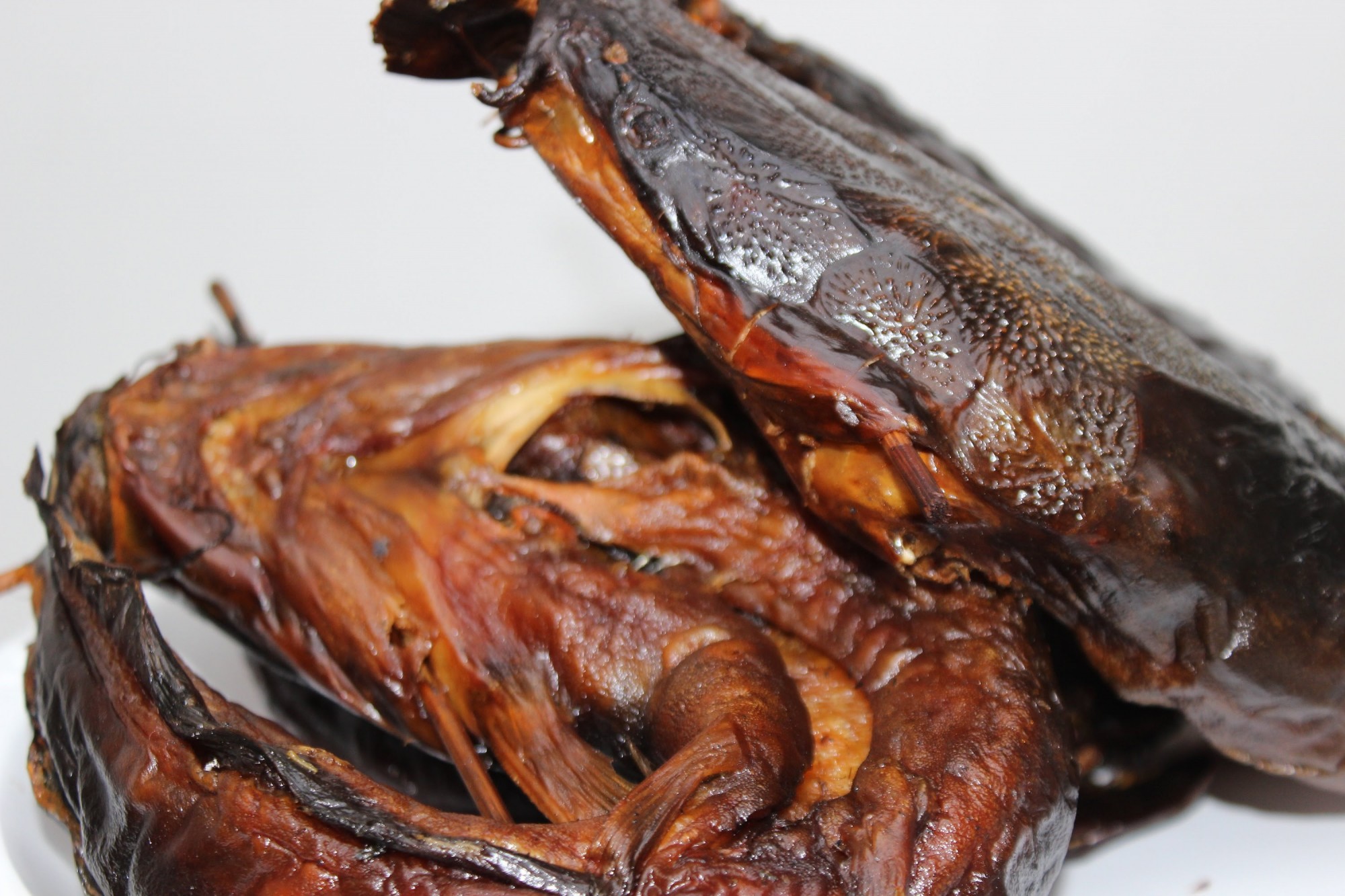
Smoked catfish business is an opportunity waiting to be tapped. How to start dried and smoked catfish business in Nigeria. Venturing into dried and smoked catfish business is indeed a big business with unimaginable potentials as those doing it are making serious money from it already.
Apart from having fish ponds which many has discovered to be like having an automatic ATM at their backyards, dealing on dried fish or smoked and packaged fish has become a serious income generator for those doing it in the right way. You can sell to the open market or supply to the supermarkets and stores.

With smoked cat catfish business opportunity in Nigeria, some office workers who got exposed to the income potentials of the business are busy today packaging numerous orders for their teaming customers both home and abroad. Yes! You can as well export it oversea and make quick dollars currency.
Starting smoked catfish business is very simple and even simpler than operating a fish pond which comes with additional stresses of making ponds, getting fingerlings, rearing and feeding them to market size which takes at least three months before selling them out to others in the market.
Dealing on dried and smoked catfish is a business with wider appeal. Put simply, all that is required for the business is: buying, processing, smoke drying it, packaging it in a branded polythene bag and having them out to the public.

Starting A Smoked Catfish Business Requires The Following

1. Get a smoke/drying machine from a good welder. The prices are usually dependent on the size of your choice but the assurance is that you can get it locally made if you are just starting out.

As your business increases, you can now go for more sophisticated ones of between N300-N500k and the good thing about this is that it is capable of drying good number of fishes quicker in an internationally acceptable way.
Again, as a big player in the market, you will also need NAFDAC approval which doesn’t really cost much if you follow the normal process in obtaining your permit. You have to follow the above steps for your products to be widely accepted, but if you are contented with playing small in the big industry, you may not bother implementing all those important strategies.

The Profit Potentials In Smoked Catfish Business

A kilogram of catfish goes between N400 to N600. Each of these costs about N100 to have it processed and packaged.
You can retail to your customers at the rate of N1,500 or more. You can as well take your goods to some supermarkets at the rate of N800 or N1,000 while they sell at any price of their choice.
Assuming that in a whole month, all you were able to dry and sell to your customers are just 1,500 packs and each sold at a moderate price of N1,000, now multiply that by 1,500 while you remove your cost prize per one which may be not up to N600, add up what you get and then compare it with what top average office workers are earning per month.

You see, there is good money to be made from smoked catfish if you handle it like serious business locally not to talk of expanding your business beyond the shores of this country.
With a place to use as your factory preferably in your compound with a good shade for your machine, going into the business may not even cost you up to N500,000 as such amount is capable of getting you an (ISO) machine for the drying and sealing of the fishes, a business name with CAC, and NAFDAC approval.
When you have all this done, be rest assured that your products would be accepted anywhere in the world!. N/B, Do not take your fish to the supermarkets with hopes of receiving your cash immediately, no they will not pay you unless your goods are sold but if you are able to meet up with the required standards and have your fish properly garnished, hygienically packed, appetizing to the eyes, that on it’s own would turn your products to hotcake in the markets making even the supermarkets to be paying you in advance.
As we talk about the profit potentials in dry catfish business, the demands for Nigerian dried catfish are even more in abroad but the simple truth is that the local market demands has not yet been met.

How To Start Egg Supply Business in Your Neighborhood


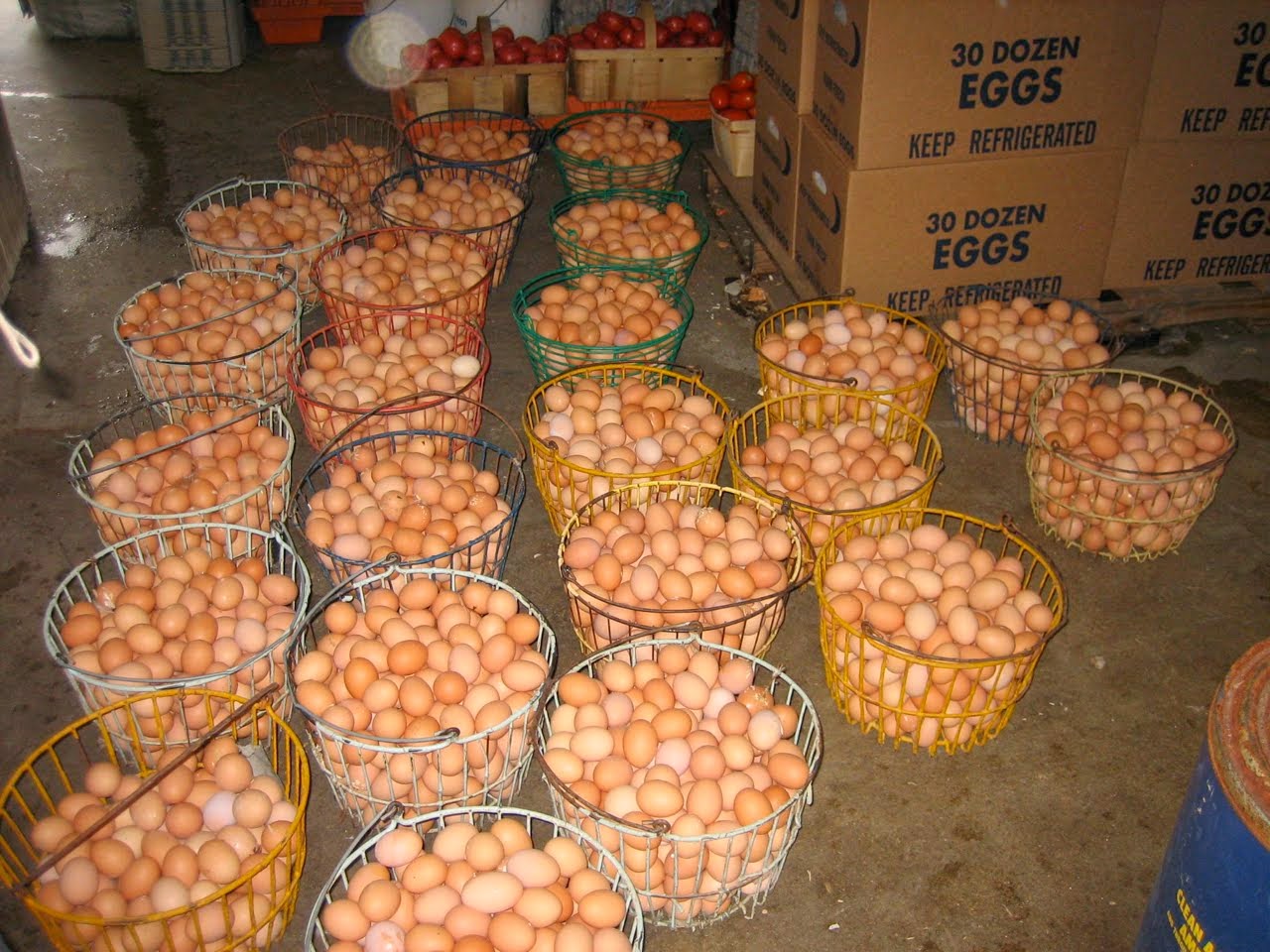
Are you a Nigerian looking for something to do as business or you just graduated from the college and you are still waiting for that white collar jobs in Nigeria where you can knot tie and put on that corporate suit and jacket everyday? Well let me introduce you to a business that is fast yielding profit, not just a little one but profit that you can conveniently rely on. This business I am talking about is eggs supply business.
Eggs supply business is very lucrative and you can determine what you want your profit to look like. Before we analyze the potential profit of this business, let us know the advantages and uses of eggs to see the reason the business of eggs supply is booming.
Egg is high in cholesterol and this makes it a perfect diet for growing children. It can reduce risk of many diseases, it supplies quality protein to the body, it is rich in vitamin A and this helps healthy eyesight, it contains chlorine and this is used to build cell membranes which helps in producing molecules in the human brain.
The uses of eggs are numerous, we use eggs in baking different types of confectioneries like bread, cakes, meat-pie and so on. It is  used as cosmetics like shampoo, conditioners, soaps, cholesterol, face mask and lots more. It is also used as glue, the sticky quality of egg white clean some certain surfaces like leather. To make it clear, the demand for eggs in the Nigerian market is so high right now and will continue to be so.
For you to make success in buying and selling eggs there are some tips to put into consideration and here are some of the tips you need for your eggs supply business.

Have Your Own Vehicle

Egg business is more profitable in Nigeria when you make it a mobile business. Purpose of this is to make you distribute your eggs conveniently to your customers. Most shop owners usually feel too comfortable once they are seated in their shops, and so they feel reluctant to go to the farms in order to pick eggs and also they consider the number of cracked eggs they will realize picking eggs directly from farm on their own. This is why being mobile is important in egg business.

Locate Your Target Market

Picking up eggs from farms is not a problem, your target market is what matters to you. Your target should be the highly populated environment. It could be markets any where, the mobility aspect makes you spread your distribution process all around. Once you know where and whom to distribute your eggs to, you will only need to go there directly.
To start buying and selling eggs, you must locate two or more farms depending on what capacity you want to work on, a poultry farm is where you can pick up eggs for sale. Before you can start picking eggs from farms, you must be a registered customer with the farm, and you must be consistent there, meaning you have to always pick up eggs weekly.

Other Working Tools

The basic tool needed for this business is empty crates, it could be paper crates or plastic crates. You can buy crates of 100 pieces at N10,000 or N5,000 if you choose to buy the paper crates , the total number you will need to run your business now depends on you. Note that the paper crates are more protective to your eggs, it reduces the number of cracks you will realize from transferring your eggs, and it is cheaper as well but damages more quickly than the plastic ones.

Cost of acquiring a used vehicle constitutes almost 90% of your capital needed in this business. Once you are mobile, the only cost you will need to run this business for a start is N80,000, with this amount you can buy 120 crates of eggs. A crate of egg can cost N650 or less  from farm depending on the size you choose to buy, any balance left will be incurred on fueling your vehicle and other road expenses.

Potential Profit In Eggs Supply Business

In this business, you are your own boss and you will decide how much profit you want to make in a week. Depending on any size of egg you choose to buy, you will gain profit of N100 on a crate of egg if you sell as a whole seller but if you choose to sell as retailer you can have profit of N300 on a crate. If you restrict yourself to selling just 100 crates of eggs weekly, that means you will realize profit of N10,000 weekly and this is just N40, 000 monthly.
This is how you determine your profit. Setting a target to sell 1,000 crates of egg per week will mean you will realize  100 x 1,000 = N100,000 weekly, multiply this per month, that is a whooping sum of N400,000 profit monthly. If you deduct your monthly expenses from this amount am very sure you will still have a reasonable amount to save.
Buying and selling eggs might look odd to you but concentrate on how profitable it is and stop waiting for gainful employment in that oil and gas company that may not come until when your responsibilities are enormous. Keep yourself busy and be productive.
Feel free to leave a comment, and if you have any challenges, don’t hesitate to ask questions, locating a farm where you can pick up eggs can also be a challenge to you, ask us any question we will gladly respond to you.
Wish you all the best in your business career.
What Next…
You can also start your own poultry farm. 

How To Start Goat Farming in Nigeria

Goat farming is one of the most rewarding animal rearing business anyone can engage in anywhere in the world. Goat meats are widely accepted and consumed round the globe, while the milk is also gaining in popularity and is being sold in supermarkets across the United States, Europe and Asia and represent the bulk of the liquid milk market.
Here in Nigeria, the goat milk is still not yet widely consumed because farmers are not yet taking advantage of the opportunity. Would you be the farmer to make this happen? The meat is believed to be the best animal meat available anywhere in the market for good reasons. Not only does the meat taste great, it is also lower in fat than chicken but contains higher protein than beef, that makes it better than chicken and beef.
Goat meat has a unique taste that is very difficult to describe but very appealing to the taste bud. There are other products that can be derived from Goat milk such as cheese, yogurt, ice cream, and butter. Anything that cow milk can offer, goat milk can also offer. These are the reasons goat farming is considered by wise farmers as a very lucrative business and it is increasingly becoming very popular among modern farmers in Nigeria.

Opportunities In Goat Farming All Over The World

In India and Nepal, goat farming is one of the major source of income for families and bigger farmers are producing larger quantity for export. China, India, and Pakistan are currently the largest producer of goat in the world with the opportunities still great there for any new farmer who would like to tap the gain. Nepal is said to still import about 1.3million live goat yearly from the neighboring countries such as India, meaning that the opportunity is very much huge in that country for any would be goat farmer.
Australia is the largest exporter of live goat and goat products in the world, yet they are still not meeting the demand of countries where they export. The opportunities in Australia for new farmers are equally great and increasing rapidly.
In United Kingdom, almost all the supermarkets sells goat meats and other goat products like the milk, cheese, butter, and yogurt. The demand is quite high and farmers there are not meeting those demands in full. There are plenty of money making opportunities for goat farmers in UK.
In Nigeria, goat meat is widely consumed locally and forms major part of the people’s delicacies. The popular goat meat pepper soup is so tasty that people come from far and wide to have a taste of it. Yet, few farmers are into goat rearing in the country, most of the goats consumed in Nigeria comes from the Niger Republic and the North. Nigerian Dwarf Goats is popular in the South and Eastern part of the country but only kept for family consumption and sold in the local markets occasionally despite the huge demand. Any serious farmer who would take goat farming to the next level will have serious money to make.
Goat farming is a big and profitable business Anywhere in the world. In this article, I will explain how anyone can start goat farming on a small scale and grow to any size he want within couple of years in any part of the globe. I want to make this article as comprehensive as possible and as people begin to share their ideas and understanding in Goat farming business through comments, I hope this will end up becoming great resource for small scale goat farmers much like the Poultry Farming post. Please read and participate by dropping a comment.

The Profit In Goat Farming Business

First, let’s look at the profit potential in goat farming business, I want to analyze the profit in dollar perspective because I am looking at a situation where some Nigerian farmer would take this goat farming to the next level and starts producing large enough to export even if it is to other African countries.
A fully mature goat weigh about 100 pound and in many places goat sale is measured in pound with each pound going for $1.5. Therefore, 100 pound weigh goat will bring it $150 minimum. If you produce just 500 goats yearly and each sold for $150 minimum, you will be making $75,000 per year. Take away $25,000 as the production cost, you will be left with $50,000 (₦8,000,000) from just 500 goats as pure profit. Isn’t that great?
Don’t forget that goats take between 2-3 years to mature, in the profit estimate above, I assumed you have passed through the first three years of establishment. The 500 is a big number but very achievable if you take your farming seriously, in all honesty 500 goats per annul after three years is a realistic goal for small scale farmers. You can start smaller and expand gradually depending on the resources available.
Now, how do you proceed to start your own goat farming business in easy and simple way that guarantees profit and sustainability? How do you start off in a cost effective way that ensures you don’t get your fingers burnt. Below are what you need and things you need to put in place to ensure you get started quick and simple.

How To Setup Your Goat Farm

1. Pasture – Acquire a good grazing ground that grows plenty of grass verities. Goats are relatively clean animals. They eat a wide variety of plants that are nutritious to them. They are foragers of weeds and leaves and could eat different types of plant at different season and even days. However, production animals feed on grass, silage, hay and grain just like cattle. Look for where land is cheap and acquire some acres depending on the number of animals you want to keep.
goat-house-design
Diagram of Standard Goat House Design
Goats need large expanse of land, they like moving and moving while eating plants that are not too close to the ground to avoid worm infested plants. They like keeping enough distance from each other, this way, they reduce contaminating each other. Goat don’t like over crowded condition, ensure you have enough acres of land for your goats to roam about free while grazing and feeding.
How many goats should be kept in an acre? On a good pasture ground, maximum of 10 goats should be kept in an acre of grazing land, if you intend to keep up to 500 goats, you will need 50 acres of pasturage. Understand that goat multiply very quickly – a pregnancy will always result to the birth of twins. Sometimes they can give birth to single kid or even triplet which is very rare.

2. Fencing –
Construct short perimeter fence round your pasture or barbwire fence, I prefer barbwire to short perimeter fence for obvious reasons – Barbwire is more protective and impossible for goats to scare through while keeping the animal safe from predators. “Goats need protection from coyotes, roving dogs, or even cougars & bears if they are kept on pasture. Some producers use protection dogs to keep predators at bay. Special 1.2m fencing may be required to keep goats in. As goats like to go around obstacles, electric fencing is sometimes used. Many producers provide ‘play areas’ with things to climb to amuse them and to prevent damaging behavior”
3. Housing – Build a suitable house for your goats, house is required to keep them safe from rain and other climate factors like cold. Goat don’t like bad conditions, they like to stay indoor when it is raining, they like to stay under share when the weather is hot, and like to stay outside and graze when the weather is perfect and enjoyable.
Goat likes some measure of privacy when they are indoors, so it is required you build separate houses for few number of goats or you construct it in a way that it will be spacious enough to give each animal some level of privacy. Goats like laying down and chew the cord while resting in a quiet condition. Make sure the housing is made comfortable for them. Some even suggested building dog house for each goat.

4. Species
– There are large number of goat breeds suitable for different purposes of rearing. Some are very good for milk production, some are good for the meat, other are preferable for the fiber. However, there species that can combine all that. Some does well in certain area than the other, you need to go for the one that is most popular in your locality, they could be important reason why farmers prefer certain species in your environment. Check the list for available goat breeds in your country and choose according to what you need.
Having decided on the goat breeds to go for, source for healthy kids. It must have history of De-worming and Vaccination. Goat is susceptible to stomach worm and other internal parasites. Get the healthiest of goats possible to start with.
5. Veterinarians – You will need to have appointment with a veterinary Doctors near you for periodic check up and vaccination. This is very important if you hope to keep the mortality at the lowest or completely eliminated. You can use Government agencies near you or appoint a private vet doctor.
With all these in place, you are very good to go in your goat rearing business. Since goat does not necessarily feed on processed animal feeds, your cost of production will be highly reduced because they will be eating natural nutritious plants in their pasture that grows on their own.

Monday, 8 August 2016

How to Make a Decent Income Buying and Selling Goats in Nigeria

Goat Market in Nigeria is one of the biggest in the world and people are making huge profit buying and selling goats. With the hope that you are reading this write-up in a good state of health, I welcome you to goat business.


Livestock marketing is one business that has made many millionaires, and many people are still growing their fortunes through the business.
I know of a guy who drops out of school to join this business when we were in 200L. Although rumors carries it that he wasn’t doing good in school. That aside, the point I am trying to make is that the guy now earns what none of us his colleagues that graduated earns half of (Note: If you are a student, I am not suggesting you drop out of school and go into this business or any other business. If you try that you are OYO.
Nigeria is the leading livestock market in west Africa according to research. The demand for meat in Nigeria is very high. The demand is even greater in the southern cities, where at least twenty species of bush-meat are eaten.
The most common livestock that are dealt with in this business are cows and goats. I choose to write on goats as it requires a very much lesser start-up capital and lower risk compared to dealing in cows.
In this (goat) business, with a start-up capital of two hundred and fifty thousand naira (N250,000), you can earn an average of fifty thousand naira (N50,000) weekly which gives you two hundred thousand naira (N200,000) monthly. I am sure this will sound doubtful to many. Follow me as I present to you the analysis bellow.
Livestock (especially cows and goats) are generally cheaper in the northern part of Nigeria. They are even very much cheaper if you visit village markets in states like Kano, Sokoto, Zamfara and Katsina.
Depending on the physical size, you can get a healthy fully matured goat in these village markets  between N6000 – N8000. And if you transport it to Abuja, you sell it to awaiting dealers and get a minimum profit of N2000 (note: transport + other minor expenses have bn considered). This profit is higher if you transport it to Lagos, Kwara, and Porthacourt states ( I don’t know of other states), with profits between N4000 to N5000.

Now follow me in this:

1. Average cost per goat = N7000 x 25 = N175,000
2. Transport to Abuja = N30,000
3. Loading and offloading = N2,500 
4. Agents fee per goat = N100 x 25 = N2,500.
Note: If you are a novice in the business, you definitely need an agent to guide you for at least two months. The agents know the village markets better.
They escorts you to the market, and assist you in negotiating/striking the best deal. They even link you up with dealers {if you are taking your goats to Abuja or Lagos} so that you sell your goats upon
arrival. 
5. Miscellaneous  = N10,000
Total = N220,000.
Now, depending on market trend, selling price at Abuja is between N11,000 to N15,000.
Working with the minimum
Sell N11,000 x 25 = N275,000.
Profit = N275000 – N220000 =______
Fill in the blank space.

Please, research the current cost of goats in the city you live and put it in as a comment for the benefit of interested investors.
RISKS.
1. Accidents
2. Theft (although very rare armed bandits might attack you and seize your goods, God forbid)
OPPORTUNITIES.
1. The market is always available (people will continue to eat meat till end of time)
2. You can insure your business against accidents and theft.
I wish you all the best in your endeavors.

Monday, 25 July 2016

Start small with geese farming


Start small with geese farming
Ever thought you can make profit from geese farming?
Prince Arinze One-bunne, Chief Executive Officer, Jovanna Farms, Lagos, has been producing mini-livestock for more than five years. He encourages farmers to add mini-livestock to their integrated production system to meet increasing demand for food and nutritious meats.
One money spinner he has discovered is geese farming. This is because they are among the fastest-growing avian species commonly raised for meat.
Geese raising, he noted, can be incorporated into existing farming system to utilise farm waste products efficiently, hence providing small-scale farmers with a source of extra income and the much needed animal protein source for the family.
Describing geese farming as a trendy kind of “agribusiness”, Onebunne said intending farmers can start small with two males and three females while still holding down a full-time job elsewhere.

He said the birds have a large market with many end-products and uses.
Generally, the birds supply nutritious meat, huge eggs and rich fat for cooking, as well as feathers for bedding and clothing, which makes them particularly appropriate for providing farmers with a supplementary income. The meat is fatter than other poultry meats.
He said geese seem to be more resistant to diseases than other avian species.
Onebunne said he is making waves because of his will to innovate in the livestock industry by rearing different breeds. At Jovana Farms, breeding animals for therapy, such as geese, peacock, grasscutter and antelope is a wonderful way to explore this possibility, he added.
Geese are, however, the most rapid growing, having the longest commercial life. They are good foragers, reaching a marketable weight with little supplementary feeding and can practically raise themselves.
Onebunne said geese possess terrific eyesight, good memories, and raucous voices; attributes that make for excellent sentinels. “What most Nigerians don’t know is that geese are very cheap and easy to maintain and they provide animal protein as well as cash income. Your geese probably won’t make you affluent by laying about 60 eggs a year, but they can earn their keep through derived products that will surely bring in millions of naira.”
He advised young entrepreneurs to start with purebreds, crossbreds or rare breeds, which he sells at his Jovana Farms.
Onebunne said geese farming is a promising business for small farmers because they are very good layers.
Geese, he explained, are independent, larger than other poultry species and thus less vulnerable to predators.
When kept in small flocks and allowed to roam the farmyard or field, they are adept scavengers, requiring less attention than any other domestic bird. Geese adapt easily to captivity, and if small quantities of supplementary feed are provided in the evening they will even return home by themselves.
They can be raised on very small acreage, either as an independent operation or as an integrated piece with other farming ventures, such as a market garden or grazing ruminants. The size of operation, efficiencies, and time put into marketing are the primary things that will distinguish a successful commercial poultry.
For him, almost anyone can raise geese. In general, there is a very low overhead to get started (it can be done without buildings or large mechanical equipment.
Most successful farmers started small and grew their businesses.
Key issues are bedding, space, heat, access to water and feed and predator control. Feed may be purchased as ready-made ” starter” from the local farm store or mixed with a ration by local feed mill.
A clean set-up is the key to keeping them healthy. Feed generally contains corn, soymeal, sometimes oats or wheat, another protein source such as fish or crab meal, calcium and minerals.
Limiting factors for geese farming are that geese are not fully mature until they are two years.
Onebunne has a hatchery. He conducts farmer trainings. He also breeds other rarely bred birds such as ostriches, quails, ducks and guinea fowls.
His aim in rearing birds other than hens is to show their viability as alternative sources of meat and eggs.
When trained, he said, geese can serve as guards , protecting warehouses with their exceptional eyesight and wide field of vision. Combined with their strident voices, they make excellent guards against approaching strangers or predators since outsiders cannot calm them into silence.
According to him, chicken and turkey farmers keep geese to ward off poultry-eating predators.

If you really want to be a multi-billionaire, you cannot do it earning salaries. Dangote is not paid by anybody. Coscharis is not paid by anybody; they work for themselves. And in this clime there are so many persons that are working hard in spite of the situation we find ourselves. At JOVANA FARMS, we think that if we encourage the unemployed and farmers in activities that are very productive, those services that are required by even the oil companies, they will do much better. It is better to be in the agricultural sector because the potentials are here. The market is there too. So do not forget that the oil sector is employing few persons but the agricultural sector is going to provide a lot of opportunities and our strategies are pro-poor. So if you are talking of how many persons your intervention can pull at the same time; agriculture is just there for it.
In this fast paced world, people should get all the help they can in dealing with the sheer speed and harshness of everyday life. There have been a lot of ways discovered to cope with stress. Some watch movies all day during holiday; others listen to music, play and have fun with friends. While it may be true that all these are effective ways to cope with the everyday stress that we all are familiar to, there is still no denying the fact that activities involving nature remains the best practice. Breeding animals for therapy, such as geese, peacock, grasscutter and antelope is a wonderful way to explore this possibility.
Just like those who are passionate for gardening, people who have many years experience in keeping geese have always shared that the entire experience is a great therapy. From the moment they start laying eggs, up to the time the egg hatch, grow and become adults, there is something about geese that helps stressed out people to relax. So if you are among the millions of people who need a break from the world’s break neck speed, you should consider raising geese as your stress getaway.
Geese farming
Geese farming
Geese are, however, the most rapid growing, have the longest commercial life and are the hardiest of all domesticated bird. They are good foragers, reaching a marketable weight with little supplementary feeding and can practically raise themselves. Geese adapt easily to different climates, its not surprising that these robust waterfowl were probably one of the first animals domesticated by man. In fact, geese are the popular bird during Christmas time in Europe. It’s only in Africa that the raising of geese have not been exploited commercially as much as chickens or turkeys.
Geese possess terrific eyesight, good memories, and raucous voices; attributes that makes for excellent sentinels. What most Nigerians don’t know is that geese are very cheap and easy to maintain and they provide animal protein as well as cash income. Your geese probably won’t make you affluent by laying about sixty eggs a year, but they can earn their keep by supplying the following farm products and services that will surely bring in millions of naira:
(1) INFERTILE EGGS: Huge, good for catering, scrambling and baking, try marketing extras to bakery and fast food restaurants.
(2) MEAT: Higher protein contents, succulent, richer, palatable, and more tender than turkey and chicken. Provide a rich food source for an often-hungry populace
(3) FEATHERS/DOWN: Valuable for comfy pillows and light, insulating comforters and for other upholstery uses
(4) WEEDING/GRASS TRIMMING: Once used to weed a variety of crops, geese are again becoming popular weeders as organic method catch on (they fertilize the soil, too).
(5) TOURISM: Geese are animal of unique feature and this makes the animal tradable for tourist uses. The big versatile rare-waterfowl have been valued highly-even considered indispensable.
(6) SECURITY GUARD: Geese make ideal “watchdogs”, they are unbridable guard animals.
(7) FERTILIZED EGGS/BREEDING STOCK: If you raise purebreds, crossbreds or rare breeds, you can usually get a pretty good price for them, depending on your area of the country. At JOVANA FARMS, we have prolific breeds available for sale at N100,000 for 2-males and 3-females of 10-months old point-of-lay.
(8) PEST CONTROL: Chicken and turkey farmers keep geese to ward off poultry-eating predators. Rural dwellers like the way they gobble down diseases-carrying ticks, cockroaches, grasshoppers, and small snakes.
Geese farming is a trendy kind of “agribusiness”, intending farmers can start out small with 2-males and 3-females while still holding down a full-time job elsewhere. In many ways geese farming is the perfect moonlighting business that can generate huge income. The geese farming industry is still an underestimated type of poultry in Nigeria. But it has a large sustainable market for its many products and uses.

Friday, 15 July 2016

Snail Farming – How to farm these slow creatures for fast profits in Africa


    Snail farming in Africa is one of the top interesting business opportunities on the continent.
    West Africa is home to the largest species of land snail in the world. The Giant African land snail (Achatina species), is known to grow up to 30cm in length and can be found in the dense tropical rain forests across the region from Guinea, Liberia, Sierra Leone, Ivory Coast, Ghana to Nigeria.
    For hundreds of years, Africa’s appetite for snails has been served through traditional means. Snails handpicked from the bush (usually in the dead of the night) have been the only way to get snails to the market and dinner table.
    However, as Africa’s population explodes and our forests continue to be sacrificed to build cities, the (bush) supply of snails cannot keep up with the soaring demand.
    This has created an opportunity in the market for snail breeders and farmers who now cultivate these interesting creatures on small farms and in their backyards for impressive profits.
    Let’s find out how fast these slow animals can bring in cash….

    First, the impressive success story of an African snail farmer…

    Snail farming is a niche and unusual business and successful snail farmers like Nigeria’s Ismail Abdulazeez are enjoying the huge rewards of this lucrative but little known venture.
    In his interview with CNN (see video below), Ismail, who cultivates snails in large cages in his backyard, shares his experience breeding snails for profit.
    His prized products end up in some of the kitchens of high-end hotels in Lagos where they are creatively used to prepare tasty African dishes.

    Snails are a great delicacy, and for good reason too…

    Snails are a huge part of the diet in many parts of Africa, although they are not always affordable and available all year round. Their high protein, low fat and cholesterol content make them a nutritional favourite.
    Snails contain almost all the amino acids needed by the body and most of its by-products are used for cosmetics and medicines.
    As our population becomes more interested in healthier living and low-cholesterol diets, snails will become a popular alternative to to all the fatty and non-healthy meats that flood our markets nowadays. They are much cheaper than red meat with greater health benefits on top!
    Snails have, for a long time, been a popular and recurring item on the menus of hotels, restaurants and bars where they often feature as boiled, fried and spiced kebabs. They are also a great addition to soups and stews which are a significant part of most  African dishes.
    snail delicacies and dishes
    Tasty African delicacies featuring the Giant African snail (photo credits: afrolems.com; mamadish.com) 

    Market Opportunities for Snail Farming in Africa

    Most of the snails supplied to the African market are gathered from bushes and forests during the rainy season (usually between April and September).
    Because snails are very dormant during the dry season, they become increasingly scarce during this period and the market is starved of adequate supply until the next wet season. This makes the supply of snails very seasonal in many parts of Africa where they serve as food.
    As a consequence, snails can fetch much higher prices during the dry season (December to March) when supply often does not keep up with demand.
    Snails may go on break during the dry seasons but the human appetite for its taste always remains, and continues to grow throughout the year. And to think that several festivities take place during the dry season (Christmas et al), makes this a first choice agribusiness.
    Due to steadily growing demand from customers, hotels and restaurants are always in need of snail delicacies on their menus. And given the significant upside to the profits that can be made, it makes a lot of sense to take maximum advantage of this market when the supply of snails is significantly short.
    There is also growing demand in Europe for giant African snails. Apart from their great taste, many people abroad like to keep them as pets and keepsakes due to their sheer size (I was surprised too!). But never mind, you are likely to be very busy satisfying the local demand to bother about exports.
    However, it’s still good to know that such foreign market opportunities exist for this small business. If you’re interested in exports, you could read up the
    snail farming - road traders
    Giant African snails are a popular sight on Africa’s interstate and transnational highways (photo credit: Frans Lanting) 

    Success tips for aspiring Snail farming in Africa

    As a Smallstarter, your primary goal should be to take advantage of the seasonality of this market in order to gain premium prices for your snails. Target the high-end customers (hotels, restaurants and households) who can afford to pay a premium for a steady supply of the product.
    If you supply all year round, you are likely to earn lesser during the rainy seasons (when supply is in abundance) and more in the dry seasons (when the product is scarce).
    You could buy cheaply from the villages and other remote areas while the supply is up during the rainy season and maintain a healthy stock of large snails that you can unleash on your customers when supply falls in the dry season.
    snail farming - snail sellerBut to achieve this, there is a very important condition. The size of your snails must be large and ‘intimidating’ enough to command a premium (high) price.
    For this to happen, you must start your snail farm with the right species (the Giant African type) and ensure that you apply proper breeding, stocking and feeding practices to achieve the huge sizes that will make you a highly sought after supplier.
    If your snails are bred well, they should start to reach market size from six to twelve months, although some farmers like to leave theirs for much longer. (photo credit: msn.com)
    Presently, more than 90 percent of the snails supplied to our local markets are picked from the forests. While this has been the traditional supply source, our growing population and rising rural to urban migration rates make it unsustainable.
    An artificial intervention like snail farming is the only way to satisfy the growing demand. And as long as a huge chunk of the market depends on snails captured in the wild, nobody can assure a steady and consistent supply of large snails like a farmer who breeds snails in his/her backyard!

    Some things you should consider before you start a snail farm…

    snail farming - sample snail farmIn terms of cost and time, snail farming is a low risk business. Unlike many other livestock businesses, snail farming requires very little startup and operating costs.
    It can be run from your backyard (if you have a sizeable one) or on that piece of land wasting away in your neighbourhood or village.
    Snails are friendly to the environment and their droppings are not offensive (unlike pigs and poultry) so there’s no chance an angry neighbor will come knocking.
    Snails also multiply really fast laying up to 100 eggs in one go. Because snails are hermaphrodites (have both male and female sexual organs), they get to mate easily throughout the year. This high reproduction rate has made snails a pest in many regions of the world.
    However, it’s this fast reproductive ability that makes these slow creatures a delight to an entrepreneur. Snails can give very high returns on your initial investment if you do your homework well and target niche and repeat customers. (photo credit: scientificamerican.com)